HAG-Reading:
A 2026 Project
This year, I am revisiting the complete body of Margaret Atwood’s work, reading her writing in no particular order. As one of my favorite authors, returning to these books feels both timely and necessary. With each passing year, her words feel more poignant—often uncannily prophetic—and worthy of deeper reflection.
I will be sharing brief reviews and reflections, linked below. I invite you to follow along, and I welcome your thoughts, questions, and conversations as this reading journey unfolds. I look forward to sharing this exploration with you.
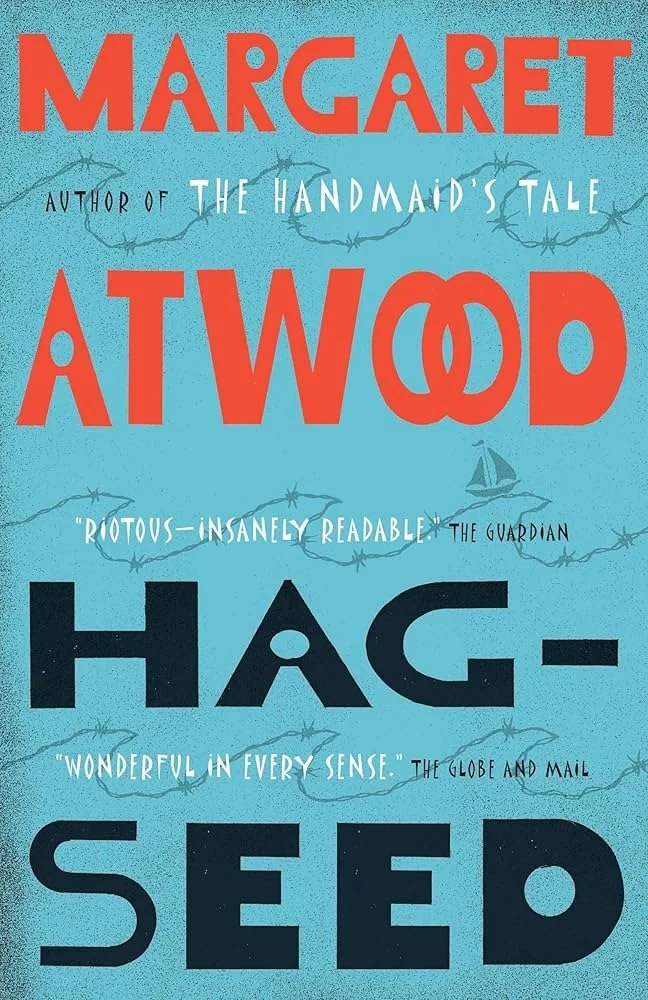
“Hag-seed” is a term Shakespeare used in The Tempest to describe Caliban—an insult meaning the offspring of a witch, something inherently suspect, monstrous, or lesser by birth. Margaret Atwood reclaims this language in Hag-Seed, her retelling of the play, where imprisoned men perform Shakespeare and come to see themselves in Caliban’s exile, wrestling with questions of punishment, inheritance, and whether we are shaped more by nature or by nurture.
I named this project Hag-Reading in homage to Atwood’s reclamation. The title calls up the image of the witch, the so-called “nasty woman,” the hag alone in her lair—reading, writing, thinking. A woman with a sharp eye and a sharper pen, observing the world and refusing to soften her conclusions. It is a name that embraces what has long been used as an insult and turns it into intention. In many ways, it reflects everything I am, and everything I aim to be.This isn’t just a business—it’s a reflection of what we believe in. We’re here to create work that matters, led by a shared commitment to quality and care.
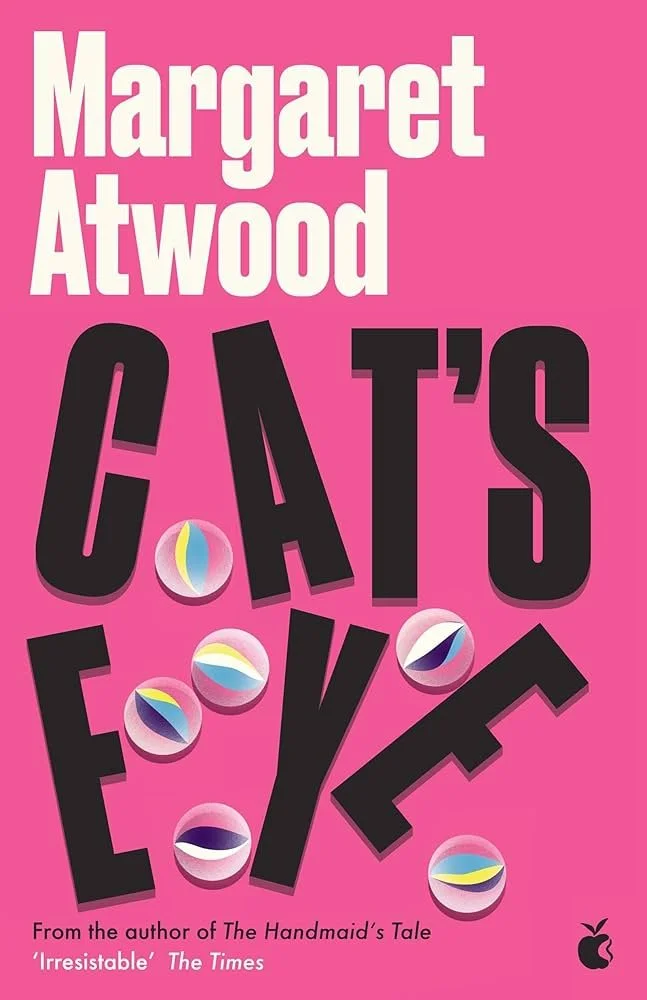
My Favorite Margaret Atwood Book
Cat’s Eye follows painter Elaine Risley as she returns to Toronto for an art retrospective, a moment that pulls her back into the long shadows of her childhood. Through Elaine’s memories, I was drawn into the quiet brutality and intimacy of her friendship with Cordelia and the other girls—a portrayal of female cruelty that feels both unsettling and painfully familiar. The novel moves through questions of memory, identity, and survival, showing how early power dynamics between girls can mark a person for life. Atwood’s portrait of mid-century Canadian girlhood reveals how the wounds of childhood shape the adults we become, and how art can emerge as both witness and reckoning.